

The first glimpse is a summons. White walls tilt into a cobalt sky. Steps thread upward like a rosary you climb bead by bead. You do not simply go to the Potala. You are drawn into it.
I matched my pace to the pilgrims and let the mountain choose my breath. The stone handrail was warm from a thousand palms. At the first terrace the wind lifted the city from my shoulders.
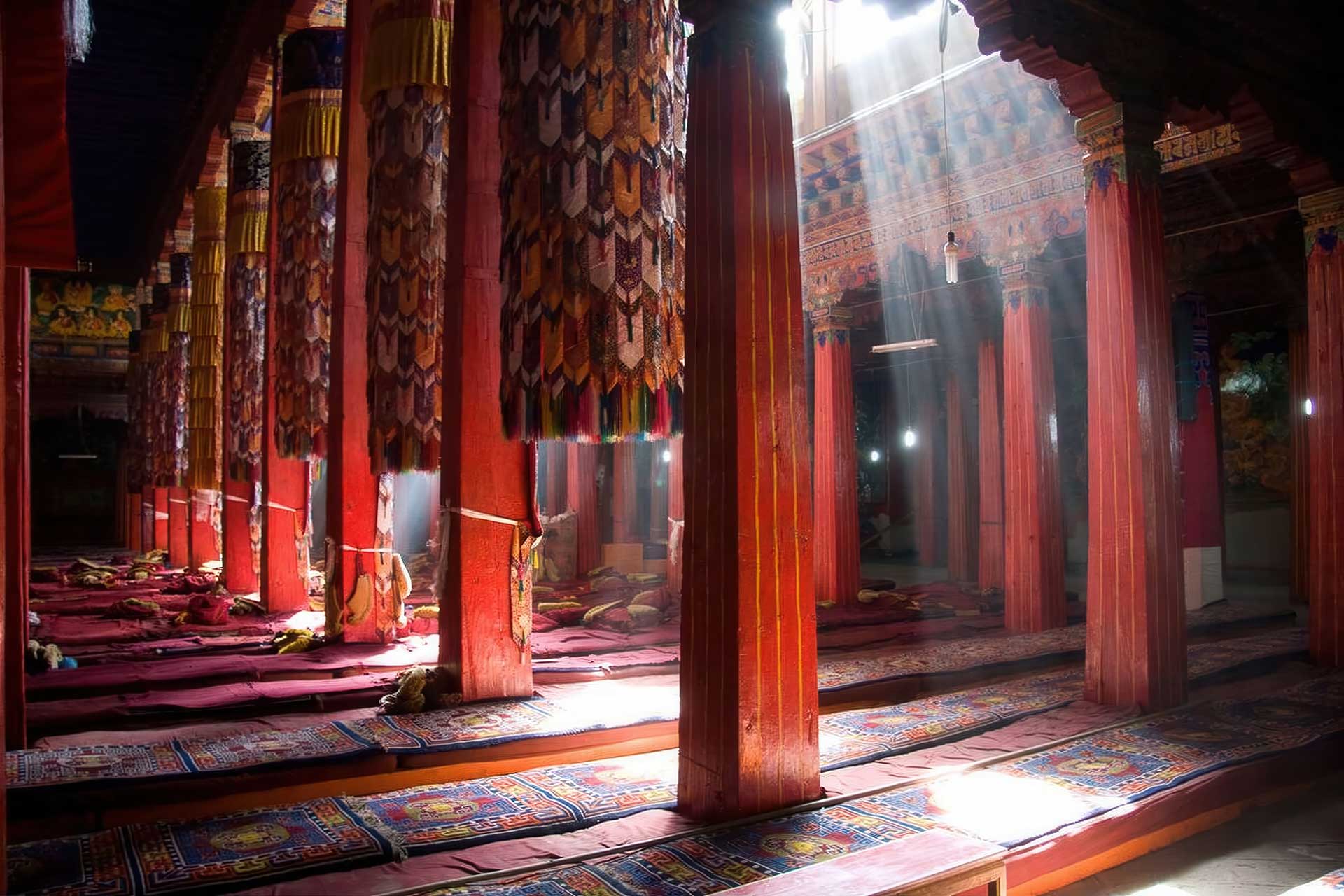
Inside, the air slowed. A bell chimed somewhere beyond the wall and my feet fell into its rhythm. I stood before a mural and forgot the camera. Faces from other centuries met my eyes as if expecting an answer. At a narrow window I framed Lhasa out of instinct and did not press the shutter. Some images belong inside the ribcage. On the roof the light felt close enough to touch. Prayer flags ticked like clocks. What I carried back down was not a photograph but a steadier pulse.
Why The Potala Matters
Pico Iyer puts the stakes plainly: “The very center of Tibet is Lhasa, and the very center of Lhasa, for more than three centuries, has been the Potala Palace.”
It has been at once the seat of rule, the winter home of the Dalai Lamas, a living monastery, and a mausoleum. Imagine the White House, the Houses of Parliament, Arlington, and a cathedral fused into one massif of stone and prayer.
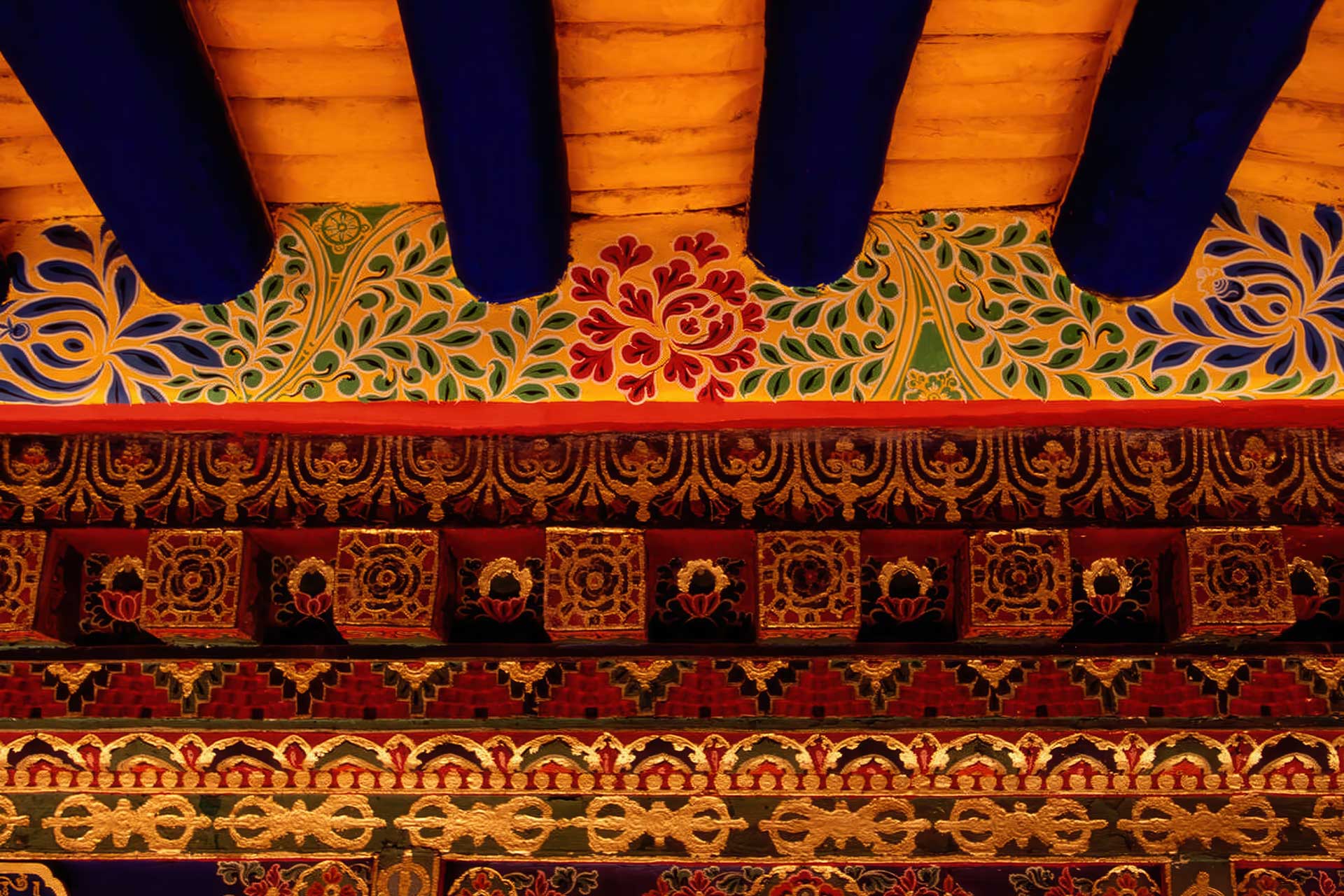
The first glimpse is a summons. White walls tilt into a cobalt sky. Steps thread upward like a rosary you climb bead by bead. You do not simply go to the Potala. You are drawn into it.
I matched my pace to the pilgrims and let the mountain choose my breath. The stone handrail was warm from a thousand palms. At the first terrace the wind lifted the city from my shoulders.
Inside, the air slowed. A bell chimed somewhere beyond the wall and my feet fell into its rhythm. I stood before a mural and forgot the camera. Faces from other centuries met my eyes as if expecting an answer. At a narrow window I framed Lhasa out of instinct and did not press the shutter. Some images belong inside the ribcage. On the roof the light felt close enough to touch. Prayer flags ticked like clocks. What I carried back down was not a photograph but a steadier pulse.
Why The Potala Matters
Pico Iyer puts the stakes plainly: “The very center of Tibet is Lhasa, and the very center of Lhasa, for more than three centuries, has been the Potala Palace.”
It has been at once the seat of rule, the winter home of the Dalai Lamas, a living monastery, and a mausoleum. Imagine the White House, the Houses of Parliament, Arlington, and a cathedral fused into one massif of stone and prayer.
Origins on Red Hill
The site was royal ground long before gilded roofs flashed over the valley. In the seventeenth century the Fifth Dalai Lama chose this same Red Hill and raised the White Palace between 1645 and 1648. Four decades later, after his passing, the Red Palace rose to complete the vision. What began as a project of governance and devotion became Tibet’s most enduring emblem.
Voices from Rhe Rooftop
Iyer again, this time on the roof where altitude sharpens thought: “I felt… not just on the Rooftop of the World, but on the rooftop of my consciousness. From the other side of history, the Fourteenth Dalai Lama remembers the ceremony and weight of leaving his winter home: “Every time I left the Potala, the magnificent, 1,000-chambered winter palace of the Dalai Lamas, I was escorted by a procession of hundreds of people.”